Oakley Apparel Size Guide: How to Measure for a Better Fit Before You Buy
Oakley apparel tends to sit close to the body, which is part of why it works on a bike, a snowboard, or a golf course. That same trim cut is less helpful when you're ordering from a laptop and stuck between a medium and a large. Four measurements cover almost every decision you'll make in the apparel section: chest, waist, sleeve, and inseam. Ten minutes now with a soft tape measure saves a return later. Here's how to take them properly, and how to read the results against the way Oakley cuts jackets, shirts, and pants.
Get Set Up Before You Measure
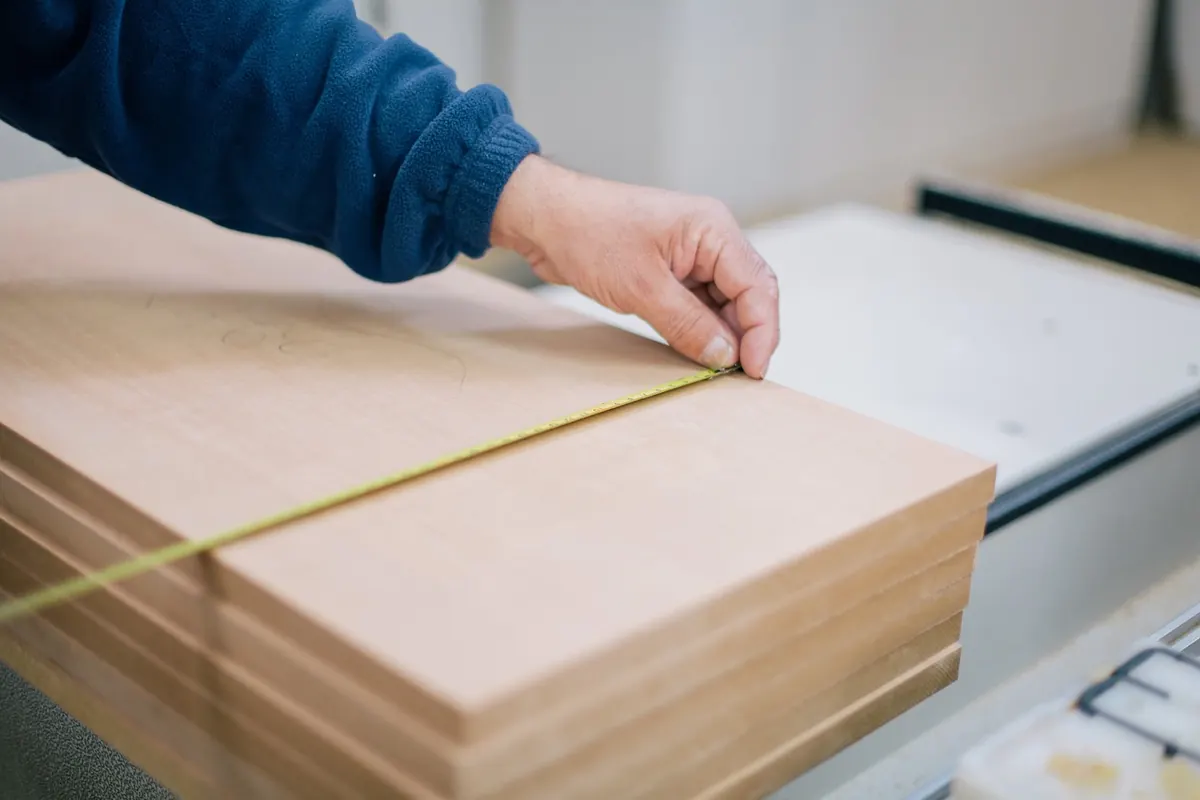
A soft tape measure is the only real requirement. If you don't own one, a piece of string and a ruler work fine — mark the string, then lay it flat against the ruler. Wear the base layer you'd normally have on under the garment you're buying: a t-shirt if you're sizing a jacket, a thin shirt if you're sizing a polo. Bulky clothing adds inches that won't be there when the package arrives.
Stand naturally. Don't puff up your chest, don't suck in your stomach, and don't pull the tape tight enough to leave a mark on your skin. Snug against the body, level with the floor, and no tighter. Measure twice if a number surprises you, and write everything down in either inches or centimetres — just keep it consistent with the chart you'll be reading.
If the tape leaves a mark, it's too tight. Snug, level, and comfortable is the target.
One distinction is worth understanding before you start. Body measurements describe you; garment measurements describe the clothing. Oakley's size charts list body measurements, but some product pages also publish the actual dimensions of the garment laid flat. When both are available, the garment numbers tell you more about how something will drape, layer, and sit on your shoulders.
Chest and Sleeve: The Upper Body Measurements
Chest
Wrap the tape around the fullest part of your chest, level with the widest point of your shoulder blades. Keep it under your arms and parallel to the floor all the way around — a tape that dips at the back will read short and push you into the wrong size. Let your arms hang relaxed at your sides. If the jacket will be worn over a hoodie or a midlayer, either add an inch of room or simply measure while wearing that layer.
Sleeve
For long sleeves, start at the centre back of your neck, run the tape over the point of your shoulder, and finish at the wrist bone. Bend your arm slightly, as if you were gripping a handlebar or a golf club, so the sleeve doesn't come up short the first time you move. If you'd rather compare against a shirt you already own, measure from the shoulder seam straight down to the cuff instead — just use the same method for both numbers so the comparison is fair.
Shoulder width matters more than most people expect, especially on jackets. Measure from the outer edge of one shoulder point across your back to the other. A jacket that's right in the chest but narrow through the shoulders will pull across the back every time you reach forward.
Waist, Hips, and Inseam: The Lower Half
Waist
Find your natural waist by bending to one side. The crease that forms is roughly it, usually a little above the navel. Measure around that point with the tape parallel to the floor. For pants that sit lower, which includes plenty of performance and golf styles, measure where you actually want the waistband to rest and use that number instead. Slip a finger under the tape so you aren't compressing anything.
Hips
Stand with your feet together and measure around the fullest part of your seat. This number matters most for shorts and trousers with a defined cut through the thigh, and it's the one people skip — then wonder why a pair that fits at the waist feels tight when they squat.
Inseam
The most reliable number comes from a pair of pants that already fits. Lay them flat and measure from the crotch seam down the inside of the leg to the hem. To measure on your body, stand against a wall, hold a book between your legs with its spine at your crotch, and measure from the floor to the top of the book. Do it in bare feet or the shoes you'll ride or train in — the difference is real.
How Fit Changes Across Jackets, Shirts, and Pants
Jackets and outerwear
This is where sizing decisions get interesting. A shell cut for layering has more room through the chest and shoulders than a lifestyle jacket, and an insulated piece adds its own bulk on top of that. If you're between sizes and plan to wear a midlayer under a shell, take the larger one. If you're buying a trim softshell for spring riding with nothing but a t-shirt underneath, the smaller size is usually the right call.
Shirts and tops
Performance tees and base layers generally run close through the chest and waist, since they're built to move with you and sit under other layers. Polos, flannels, and casual button-downs tend to be more forgiving through the body. Sleeve length is the measurement people forget: a long-sleeve top that fits perfectly in the chest can still leave your wrists exposed if you're tall, which is exactly where tall sizing earns its place.
Pants and shorts
Some styles are sized in numeric waist and inseam measurements, others in S to XXL. Numeric sizing is more precise; alpha sizing varies more from style to style. Stretch fabrics and adjustable waistbands give you some slack, but they won't rescue a waistband that's two inches off. Watch inseam length too — the same waist can come with a 30, 32, or 34 inseam, and that number changes how the whole pant sits from knee to hem.
Stuck Between Two Sizes? Work Through This
- What goes underneath? If the answer is a base layer plus a midlayer, size up. If it's a t-shirt, stay where you are.
- How does the fabric behave? Stretch knits forgive a slightly snug chest. Woven shells and non-stretch pants don't.
- Which measurement is off? If the chest fits but the sleeve is short, that's a length problem, not a size problem — look for tall options.
- What do the garment measurements say? Compare a jacket's stated chest width to a jacket you already like wearing. It's the closest thing to trying it on.
- What's the return window? Confirm it before ordering, and leave the tags on until you've decided.
If you're still torn, size up on outerwear and stay true to size on base layers and tees. A jacket that's slightly roomy can be cinched, layered, or worn over more; a base layer that's too big bunches under everything else you put on top of it.
Measure Once, Order Confidently
Write your four numbers somewhere you'll find them again — chest, waist, sleeve, inseam — and update them when your training changes. Check the chart on the specific product page each time, because sizing isn't identical across every line Oakley makes, and a jacket from one collection can fit differently than a jacket from another. Keep the tape measure near your laptop, buy from a seller with a clear exchange policy, and try things on indoors before the tags come off. A few minutes of measuring turns online apparel shopping from a guess into something much closer to a fitting room.
Photo: JulioMuebles / Pixabay
You Might Also Like
A rainy trail test of Oakley accessories: which pouches, straps, and quick-dry lens cloths keep eyewear clear and secure when every mile is wet.
Keep your Oakley sneakers and boots in top shape with a simple routine for cleaning, drying, and storing them correctly. Extend their life and avoid premature wear.