Oakley Accessories You Actually Need: 10-Point Checklist for Daily Carry
Most people spend weeks choosing the frame, then roughly four minutes deciding what happens to it afterward. The sunglasses go into a jacket pocket, the lenses get wiped on a shirttail, and a year later the hinges feel loose and the iridium coating looks like a dried lakebed. Accessories are not the exciting part of owning Oakleys. They are the part that decides whether the pair you bought still looks and fits the way it did on day one.
What follows is the short list worth actually owning — ranked by how much grief each item prevents, not by how clever it looks in a product photo.
1. A Case That Matches How You Carry
This is the one purchase that pays for itself immediately. Oakley's hard "vault" style cases are the right answer for a backpack, gym bag, or glovebox, where keys, tools, and water bottles live. A soft microbag-style pouch is better for a jacket or cargo pocket, because a hard case that bulges awkwardly will get left at home, and a case at home protects nothing.
How to check the fit
Close the case with the glasses inside and press gently on the lid. You want the frame held snug enough that it cannot slide, but not so tight that the lenses are being pressed into anything. Pressure on a lens over months is how you get marks that never buff out. If you own more than one pair, buy a case per pair rather than swapping one between them — the swap is the step people skip.
Heat is the quiet killer. A car dashboard in summer is not a storage spot, no matter how good the case is.
2. Lens Cloths and a Cleaning Routine
The microbag that came with your glasses is a cleaning cloth, not just packaging. Fold it, keep it in the case, and use it for nothing else. A cloth that has been rolling around loose in a bag picks up grit, and grit is what turns a wipe into a scratch.
The routine that works:
- Rinse the lenses under lukewarm water first to float off dust and salt.
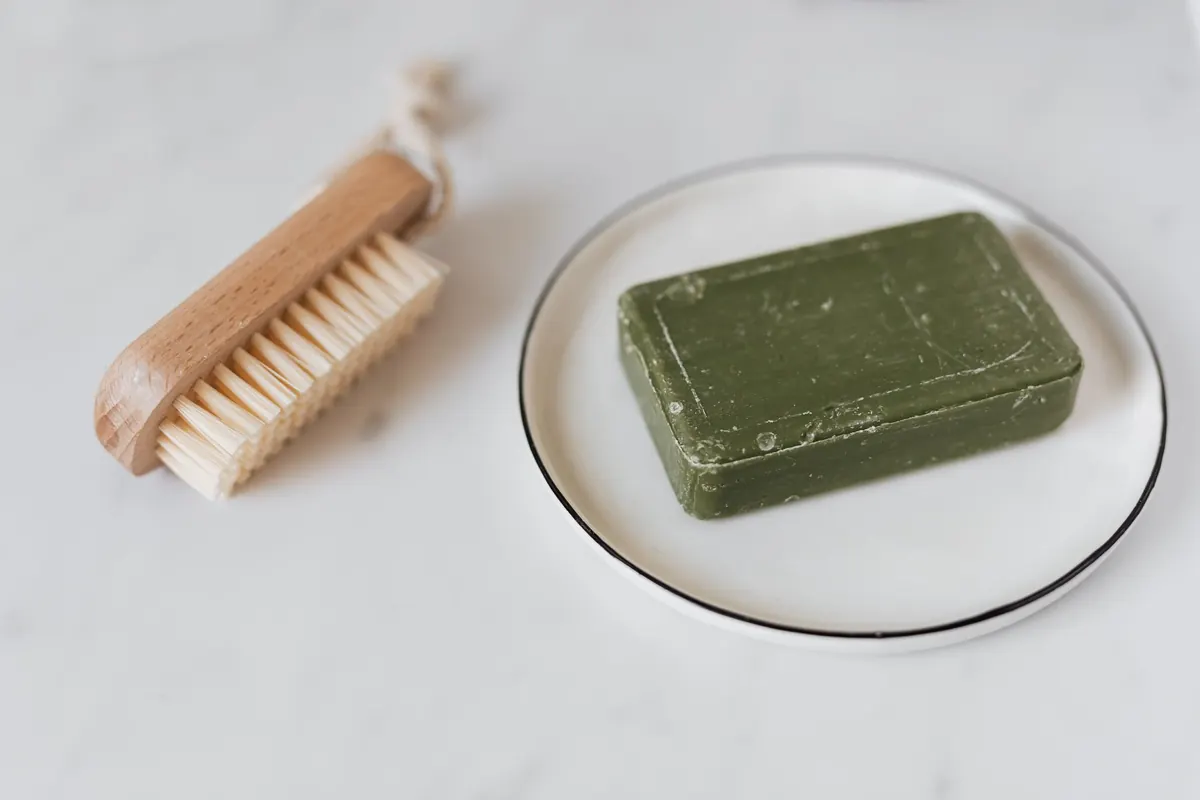
- If they are greasy, use a drop of mild hand soap and your fingertips — never a paper towel.
- Shake off the excess, then dry with a clean microfiber cloth.
- Avoid household glass cleaners, especially anything with ammonia or a heavy alcohol content, on coated lenses.
Wash your microfiber cloths by hand every few weeks with plain soap and let them air dry. Fabric softener ruins the weave and leaves a film behind. Keep one spare cloth sealed in a small pouch so you always have a clean one when the first gets grimy. If you wear prescription lenses or have a specific eye condition, follow your optician's cleaning guidance over any general advice.
3. Straps, Leashes, and Retention Systems
If you take your sunglasses off more than three times a day — driving, walking into a shop, taking a call — you are a candidate for a leash. A standard lanyard keeps the frames on your neck and out of your hands. A floating strap is the version to use on water, because the failure mode there is not a scratch, it is goodbye.
Choosing between them
Temple-grip leashes slide onto the arms and stay put; they suit slim frames and quick on-off use. Split-ring or loop attachments are more secure but take a second longer to fit. Whichever you pick, check the attachment points for rough edges and bend them smooth — a leash that scratches the temple is a net loss. If you ride a bike or run, keep the leash short enough that it does not swing into your field of view.
4. Replacement Nose Pads and Earsocks
Rubber parts wear out long before the frame does, and they are the cheapest improvement you can make to an older pair. The signs are easy to spot: pads that have gone hard, shiny, or yellowed; earsocks that slide around or leave black marks on your temples. Fresh rubber restores grip, which means the glasses stop sliding down your nose — and glasses that stay put get adjusted less, which means fewer bent temples.
Order the correct size and shape for your frame rather than a generic kit. Fitting them takes a few minutes: warm the rubber slightly, work it on from one end, and make sure it seats fully so there is no lip to catch hair. If your frames came with interchangeable sizes, try the larger option first — most people under-fit their pads and then blame the frame.
5. Pouches, Sleeves, and the Bag Problem
Inside a large bag, the real risk is lens-on-lens contact and lens-on-zipper contact. A soft sleeve or pouch solves both, and it doubles as a second cleaning cloth in a pinch. For travel, a hard vault plus a soft sleeve for the second pair covers almost every situation. Goggle covers serve the same purpose for winter gear and keep the foam from being crushed.
The 10-Point Daily Carry Checklist
- A case sized to the frame — hard for bags, soft for pockets, snug but never pressing on the lenses.
- The microbag, kept with the glasses instead of in a drawer.
- A spare clean microfiber cloth, stored separately from the first.
- A lens-safe cleaner, or plain water and mild soap as the default.
- A leash or lanyard for any frame you remove often.
- A floating strap for boats, beaches, and kayaks.
- Spare nose pads in the correct size for your frame.
- Spare earsocks for the same reason — they age faster than you expect.
- A small tool that matches your frame's screws, checked before you need it, not during.
- One dedicated pocket or pouch in your bag so the routine is automatic.
Assemble It Once, Then Leave It Alone
You do not need all of this on day one, and you certainly do not need every colorway. Buy in order of consequence: case first, cleaning kit second, retention third, rubber parts whenever they start to look tired. Then keep duplicates where you actually use them — one cloth in the car, one in the desk drawer, one in the bag — because an accessory that lives in the wrong place is the same as not owning it.
Treat the kit as part of the purchase rather than an upsell, and a pair of Oakleys will hold its fit, its finish, and its clarity far longer than the loose-in-a-pocket approach ever allows.
Photo: lovepixs / Pixabay


You Might Also Like
A rainy trail test of Oakley accessories: which pouches, straps, and quick-dry lens cloths keep eyewear clear and secure when every mile is wet.
Keep your Oakley sneakers and boots in top shape with a simple routine for cleaning, drying, and storing them correctly. Extend their life and avoid premature wear.